

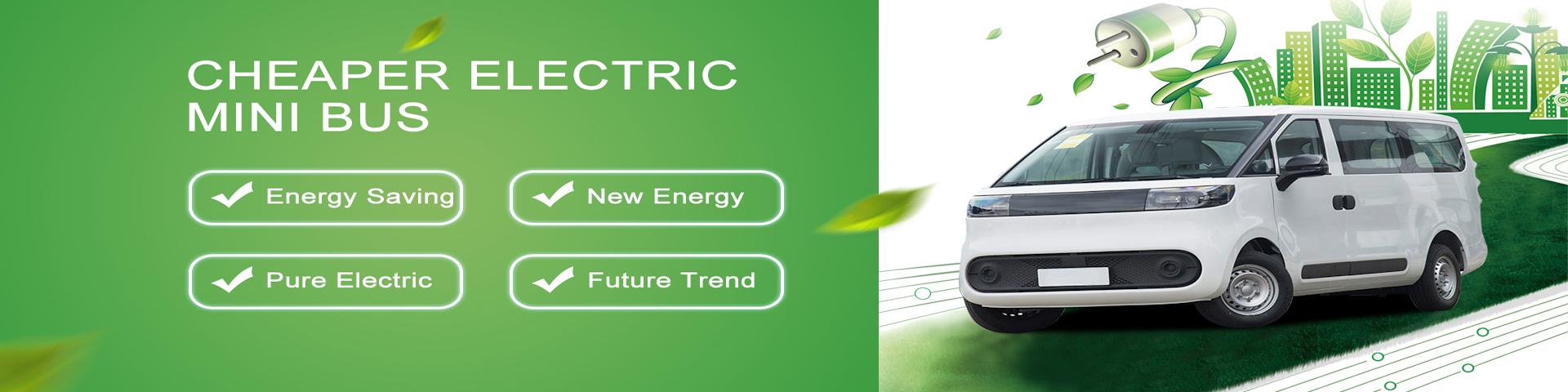
В современную эпоху быстрой урбанизации и растущих экологических проблем городской транспорт сталкивается с беспрецедентными вызовами. Традиционные системы, основанные на ископаемом топливе, не только способствуют загрязнению воздуха и изменению климата, но и часто оказываются неэффективными в условиях плотного трафика и ограниченного пространства мегаполисов. В этом контексте электрические пассажирские трициклы emerge как инновационное решение, способное произвести революцию в городской мобильности. Эта статья подробно исследует, как эти транспортные средства могут стать ключевым элементом транспорта будущего, фокусируясь на их преимуществах, технологиях, экономических аспектах и потенциальном влиянии на формирование умных и устойчивых городов.
Введение: вызовы современного городского транспорта
Города по всему миру сталкиваются с растущими проблемами в области транспорта. Заторы на дорогах стали обычным явлением, приводя к потере времени, увеличению расходов на топливо и снижению продуктивности. По данным Всемирной организации здравоохранения, загрязнение воздуха, largely обусловленное транспортными выбросами, является причиной миллионов premature смертей ежегодно. Кроме того, традиционный общественный транспорт, such as автобусы и метро, often struggles to provide last-mile connectivity, leaving gaps in mobility for many residents. These challenges underscore the urgent need for innovative, sustainable, and efficient transportation solutions. Electric passenger tricycles, with their compact design, zero emissions, and flexibility, offer a promising alternative that can address these issues head-on. This article will delve into why они represent a revolution in urban transport and how они can shape the future of our cities.
Что такое электрические пассажирские трициклы?
Электрические пассажирские трициклы, often referred to as e-trikes or electric rickshaws, are three-wheeled vehicles powered by electric motors and batteries. Они designed to carry passengers, typically seating two to four people, and are equipped with features such as regenerative braking, lightweight materials, and advanced battery systems. Unlike their gasoline-powered counterparts, e-trikes produce no tailpipe emissions, making them environmentally friendly. Their compact size allows for easy maneuverability in congested urban areas, while their electric propulsion ensures quiet operation, reducing noise pollution. The design often includes safety features like stability controls and weather protection, enhancing comfort for riders. As a mode of transport, они bridge the gap between personal vehicles and mass transit, offering an affordable and accessible option for short to medium-distance travel. In many developing countries, они have already gained popularity as a cost-effective alternative to traditional auto-rickshaws, but their potential extends far beyond current applications to become integral parts of smart city infrastructures worldwide.
Экологические преимущества: снижение углеродного следа
Одним из наиболее значительных преимуществ электрических пассажирских трициклов является их положительное воздействие на окружающую среду. Транспортный сектор является major contributor to global greenhouse gas emissions, accounting for approximately 24% of CO2 emissions from fuel combustion. By transitioning to electric vehicles, cities can drastically reduce their carbon footprint. E-trikes, in particular, offer several environmental benefits: zero direct emissions, which improves air quality and reduces health risks associated with pollution; lower energy consumption compared to larger vehicles, as их efficiency is higher due to lighter weight and optimized electric drivetrains; and the potential for integration with renewable energy sources, such as solar charging stations, further minimizing their environmental impact. Studies have shown that widespread adoption of e-trikes could lead to a significant decrease in urban pollution levels. For example, in cities like Delhi or Beijing, where air quality is a critical concern, replacing conventional rickshaws with electric versions has already demonstrated measurable improvements. Additionally, the use of recyclable materials in manufacturing and the possibility of battery recycling contribute to a circular economy, aligning with global sustainability goals like the Paris Agreement. Thus, e-trikes not only help combat climate change but also promote greener, healthier urban environments for future generations.
Экономические аспекты: стоимость и эффективность
С экономической точки зрения, электрические пассажирские трициклы представляют собой выгодное решение для различных заинтересованных сторон, including operators, passengers, and city governments. Initial investment costs for e-trikes are generally lower than for four-wheeled electric vehicles or traditional public transport options, making them accessible to small entrepreneurs and startups. Operating costs are significantly reduced due to the efficiency of electric motors; electricity is cheaper than gasoline or diesel, and maintenance requirements are minimal because electric systems have fewer moving parts. This translates to higher profitability for drivers and lower fares for passengers. In many regions, e-trikes have created new job opportunities in manufacturing, maintenance, and operation, stimulating local economies. For city administrations, promoting e-trikes can lead to savings on infrastructure costs; their small size reduces the need for extensive road expansions or parking facilities, and они can be integrated into existing transport networks without major modifications. Furthermore, governments can offer incentives such as subsidies, tax breaks, or dedicated lanes to encourage adoption, ultimately leading to a more efficient and cost-effective urban transport system. Case studies from countries like India and the Philippines show that e-trikes have not only improved mobility but also boosted economic activity by providing reliable and affordable transport options for low-income communities.
Технологические инновации: двигатель прогресса
Быстрое развитие технологий играет crucial role in the advancement of electric passenger tricycles. Key innovations include improvements in battery technology, such as lithium-ion batteries that offer higher energy density, faster charging times, and longer lifespans. Modern e-trikes often feature smart systems like GPS navigation, real-time tracking, and connectivity to mobile apps, enhancing user experience and operational efficiency. Autonomous driving capabilities are also being explored, which could further revolutionize urban transport by reducing human error and optimizing routes. Lightweight materials, such as carbon fiber and aluminum, are used to reduce weight and increase energy efficiency, while regenerative braking systems capture energy during deceleration, extending battery range. Additionally, integration with Internet of Things (IoT) devices allows for data collection on usage patterns, traffic conditions, and energy consumption, enabling cities to manage transport systems more effectively. These technological advancements not only make e-trikes more reliable and convenient but also position them as a forward-thinking solution that can adapt to future needs. As research continues, we can expect even greater efficiencies, such as solid-state batteries or wireless charging, making e-trikes an integral part of the smart city ecosystem.
Социальные последствия: улучшение доступности и инклюзивности
Электрические пассажирские трициклы имеют profound social implications by enhancing mobility and inclusivity in urban areas. Они provide an affordable transport option for marginalized communities, including the elderly, disabled, and low-income populations, who may have limited access to traditional public transport. Their design can be adapted to accommodate wheelchair users or those with mobility impairments, promoting social equity. In many cities, e-trikes serve as last-mile connectivity solutions, bridging gaps between homes, workplaces, and transit hubs, which reduces reliance on private cars and fosters a sense of community. Moreover, они create entrepreneurship opportunities; individuals can own and operate e-trikes with minimal capital, empowering them economically. This can lead to reduced poverty and improved quality of life. Socially, the quiet and clean nature of e-trikes contributes to more pleasant urban environments, encouraging outdoor activities and social interactions. By making transport more accessible and equitable, e-trikes help build more inclusive cities where everyone can participate fully in economic and social life, aligning with United Nations Sustainable Development Goals related to sustainable cities and reduced inequalities.
Интеграция в умные города: будущее городской мобильности
В контексте умных городов, электрические пассажирские трициклы идеально вписываются в vision of integrated, efficient, and sustainable urban systems. Smart cities leverage technology to optimize resources, improve services, and enhance quality of life. E-trikes can be seamlessly integrated into such ecosystems through connected infrastructure. For instance, они can communicate with traffic management systems to avoid congestion, use data analytics to optimize routes based on demand, and be part of shared mobility platforms that reduce vehicle ownership. Charging infrastructure can be smartly deployed using renewable energy sources, and payment systems can be digitalized for convenience. This integration not only improves transport efficiency but also supports broader smart city goals, such as reducing energy consumption, enhancing public safety, and promoting environmental sustainability. Cities like Singapore and Amsterdam are already experimenting with similar concepts, demonstrating the potential for e-trikes to become a cornerstone of future urban mobility. As autonomous technology advances, e-trikes could operate as on-demand services, further reducing the need for private vehicles and transforming how people move around cities. This holistic approach ensures that transport is not just a means of getting from point A to B but a key component of a livable, resilient, and forward-thinking urban environment.
Вызовы и решения: overcoming barriers to adoption
Несмотря на многочисленные преимущества, widespread adoption of electric passenger tricycles faces several challenges. Key barriers include high upfront costs for batteries and technology, limited charging infrastructure in some regions, range anxiety due to battery limitations, and regulatory hurdles such as lack of standardized safety norms or incentives. Additionally, consumer perception and resistance to change can slow adoption. To address these issues, governments and private sectors must collaborate on solutions. This can involve providing subsidies or financing options to reduce initial costs, investing in widespread charging networks, and developing policies that encourage e-trike use, such as dedicated lanes or tax benefits. Technological innovations, like faster charging and longer-lasting batteries, will naturally alleviate range concerns. Education and awareness campaigns can help shift public perception by highlighting the benefits of e-trikes. Pilot projects and demonstrations in cities can serve as proof of concept, building confidence among stakeholders. By tackling these challenges proactively, the transition to e-trikes can be accelerated, ensuring that они become a mainstream option in urban transport systems worldwide.
Заключение: путь вперед к устойчивому будущему
В заключение, электрические пассажирские трициклы представляют собой transformative force in urban transport, offering a sustainable, efficient, and inclusive solution to the pressing challenges of modern cities. Their environmental benefits, economic advantages, technological innovations, and social impacts position them as a key component of the transport revolution. As cities continue to grow and evolve, embracing e-trikes can lead to cleaner air, reduced congestion, enhanced mobility, and stronger economies. The integration of these vehicles into smart city frameworks will further amplify their positive effects, creating a future where urban transport is not only functional but also harmonious with ecological and social goals. Stakeholders—including governments, industries, and communities—must work together to overcome adoption barriers and foster an ecosystem that supports e-trike proliferation. By doing so, мы can pave the way for a brighter, more sustainable urban future, where electric passenger tricycles play a central role in shaping the cities of tomorrow. Let us embrace this revolution and move forward towards a world where transport is smart, green, and accessible for all.