

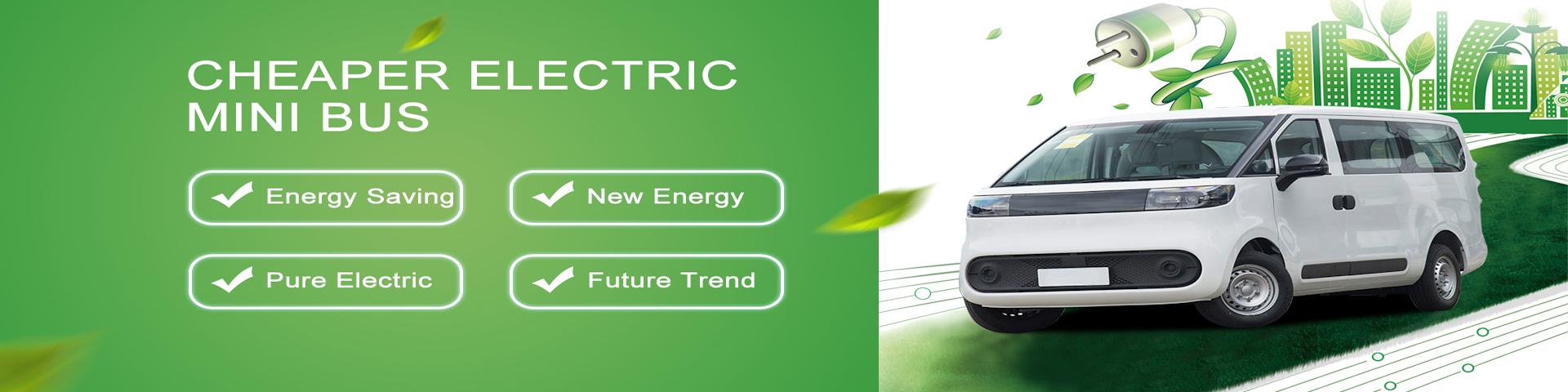
В современном мире электромобили становятся неотъемлемой частью транспортной экосистемы, и ключевым элементом их успеха являются литиевые аккумуляторы. Эти батареи революционизировали автомобильную промышленность, предлагая уникальные преимущества, которые делают электромобили более доступными, эффективными и экологичными. В этой статье мы подробно рассмотрим топ-10 преимуществ литиевых аккумуляторов для электромобилей, подкрепляя каждый пункт научными данными, статистикой и реальными примерами. Мы также обсудим, как эти преимущества влияют на будущее транспорта и устойчивое развитие.
1. Высокая энергоёмкость
Литиевые аккумуляторы обладают исключительно высокой энергоёмкостью, что означает их способность хранить большое количество энергии в относительно небольшом объеме и весе. Это одно из самых значительных преимуществ для электромобилей, так как оно напрямую влияет на запас хода и производительность. Средняя энергоёмкость литий-ионных аккумуляторов составляет около 150-250 Вт·ч/кг, что значительно выше, чем у старых технологий, таких как свинцово-кислотные батареи (30-50 Вт·ч/кг) или никель-металлгидридные (60-120 Вт·ч/кг). Например, батарея Tesla Model S имеет энергоёмкость приблизительно 250 Вт·ч/кг, что позволяет автомобилю проезжать до 600 км на одном заряде. Это не только увеличивает практичность электромобилей для ежедневного использования, но и снижает беспокойство о запасе хода, которое часто отпугивает потенциальных покупателей. Кроме того, высокая энергоёмкость способствует уменьшению общего веса транспортного средства, что, в свою очередь, улучшает энергоэффективность и динамику. С развитием технологий, таких как твердотельные литиевые аккумуляторы, ожидается дальнейшее увеличение энергоёмкости до 500 Вт·ч/кг и более, что откроет новые горизонты для электромобилей, включая возможность использования в грузовом транспорте и авиации. Таким образом, высокая энергоёмкость литиевых аккумуляторов является фундаментальным преимуществом, которое ускоряет переход к электрической мобильности и способствует снижению зависимости от ископаемого топлива.
2. Долгий срок службы
Литиевые аккумуляторы характеризуются впечатляющим сроком службы, который часто превышает 10 лет или 2000-5000 циклов заряда-разряда, в зависимости от типа и условий эксплуатации. Это преимущество критически важно для электромобилей, так как оно снижает общую стоимость владения и повышает надежность транспортного средства. Например, многие производители, такие как Nissan с моделью Leaf, гарантируют, что их батареи сохранят не менее 70% первоначальной емкости после 8 лет или 160 000 км пробега. Долговечность литиевых аккумуляторов обусловлена их низким саморазрядом (менее 5% в месяц) и устойчивостью к эффекту памяти, который был проблемой для никелевых батарей. Кроме того, современные системы управления батареями (BMS) оптимизируют процессы заряда и разряда, продлевая жизнь аккумулятора. Это не только экономит деньги владельцев на замене батарей, но и уменьшает экологический impact, так как меньше батарей отправляется на утилизацию. Исследования показывают, что при надлежащем уходе литиевые аккумуляторы могут служить до 15 лет, что делает электромобили конкурентоспособными с традиционными автомобилями с двигателями внутреннего сгорания. В будущем, с улучшением материалов, таких как литий-железо-фосфатные (LFP) батареи, срок службы может быть еще увеличен, что укрепит позиции электромобилей на рынке.
3. Быстрая зарядка
Возможность быстрой зарядки является еще одним ключевым преимуществом литиевых аккумуляторов для электромобилей. Современные литий-ионные батареи могут заряжаться от 0 до 80% всего за 20-30 минут при использовании станций быстрой зарядки, таких как Tesla Supercharger или CCS (Combined Charging System). Это значительно сокращает время простоя и делает электромобили более удобными для длительных поездок. Например, модель Porsche Taycan может зарядиться на 100 км пробега за менее чем 5 минут, благодаря своей передовой системе на 800 В. Быстрая зарядка стала возможной благодаря низкому внутреннему сопротивлению литиевых аккумуляторов и улучшенной теплопроводности, что позволяет безопасно пропускать высокие токи без перегрева. Это преимущество не только улучшает пользовательский опыт, но и стимулирует развитие инфраструктуры зарядных станций по всему миру. По данным Международного энергетического агентства (МЭА), к 2030 году ожидается увеличение числа быстрых зарядных станций в десять раз, что further ускорит adoption электромобилей. Однако, важно отметить, что частые быстрые зарядки могут незначительно сокращать общий срок службы батареи, поэтому производители рекомендуют балансировать их с медленной зарядкой для оптимальной производительности. В целом, быстрая зарядка делает электромобили практичными для массового рынка и способствует их интеграции в повседневную жизнь.
4. Экологичность и снижение выбросов
Литиевые аккумуляторы играют crucial роль в снижении выбросов парниковых газов и улучшении экологической обстановки, что является одним из их главных преимуществ для электромобилей. В отличие от автомобилей с двигателями внутреннего сгорания, которые выделяют CO2 и другие вредные вещества, электромобили на литиевых батареях производят нулевые выбросы во время эксплуатации. Это способствует борьбе с изменением климата и улучшению качества воздуха в городах. Согласно исследованию Международного совета по чистому транспорту (ICCT), за весь жизненный цикл электромобиль с литиевой батареей emits на 50-70% меньше CO2 по сравнению с бензиновым автомобилем, даже с учетом производства батареи и electricity generation. Более того, литиевые аккумуляторы могут быть переработаны на 95%, что уменьшает waste и promotes circular economy. Компании like Redwood Materials и Li-Cycle разрабатывают инновационные методы recycling, которые извлекают ценные материалы, такие как литий, кобальт и никель, для повторного использования. Это not only reduces the environmental footprint but also lowers the cost of battery production in the long run. Additionally, the shift to renewable energy sources for charging further enhances the eco-friendliness of electric vehicles. For instance, if an electric vehicle is charged using solar or wind power, its carbon footprint becomes negligible. Thus, the environmental benefits of lithium batteries make them a cornerstone of sustainable transportation and align with global goals, such as the Paris Agreement.
5. Высокая мощность и производительность
Литиевые аккумуляторы обеспечивают высокую удельную мощность, что позволяет электромобилям достигать впечатляющих динамических характеристик, таких как быстрое ускорение и высокая максимальная скорость. Удельная мощность литий-ионных батарей может достигать 300-500 Вт/кг, что значительно превосходит альтернативные технологии. Это advantage directly translates to better performance: for example, the Tesla Model S Plaid can accelerate from 0 to 100 km/h in under 2 seconds, thanks to its advanced battery system that delivers immense power instantaneously. The high power density is due to the efficient ion movement between electrodes, which minimizes energy losses and heat generation. This not only enhances the driving experience but also makes electric vehicles competitive with sports cars and high-performance vehicles. Moreover, the instant torque provided by electric motors, coupled with lithium batteries, ensures smooth and responsive acceleration, which is particularly beneficial in urban driving conditions. The high performance also contributes to safety, as electric vehicles can quickly maneuver in emergency situations. As battery technology evolves, with developments like lithium-sulfur or solid-state batteries, power densities are expected to increase further, enabling even more powerful and efficient electric vehicles. This advantage is driving innovation in the automotive industry and attracting consumers who value performance alongside sustainability.
6. Низкий саморазряд
Низкий уровень саморазряда является важным преимуществом литиевых аккумуляторов, что делает их идеальными для электромобилей, которые могут простаивать длительное время. Саморазряд литий-ионных батарей typically составляет менее 5% в месяц, compared to nickel-based batteries that can lose up to 20-30% per month. This means that an electric vehicle can be parked for weeks or even months without significant loss of charge, ensuring reliability and readiness for use. For instance, if an owner goes on vacation, they can return to a vehicle that still has ample charge, reducing the need for frequent topping up. This low self-discharge rate is attributed to the stable electrochemical properties of lithium-based chemistry and the effectiveness of battery management systems that monitor and maintain optimal conditions. It also contributes to energy efficiency, as less energy is wasted through idle losses. In practical terms, this advantage reduces range anxiety and enhances the convenience of electric vehicle ownership. Additionally, it supports the integration of electric vehicles into smart grids, where vehicles can serve as energy storage units without rapid depletion. As electric vehicles become more prevalent, this feature will be crucial for applications like vehicle-to-grid (V2G) technology, where cars supply power back to the grid during peak demand. Overall, low self-discharge is a subtle but significant benefit that improves the usability and appeal of electric vehicles.
7. Компактность и легкость
Литиевые аккумуляторы отличаются компактностью и легкостью, что позволяет производителям электромобилей оптимизировать дизайн и увеличить внутреннее пространство для passengers и cargo. Средняя density литий-ионных батарей составляет about 200-250 Wh/L, meaning they can store a lot of energy in a small volume. This advantage enables the creation of sleek, aerodynamic vehicle designs that improve efficiency and range. For example, the Hyundai Ioniq 5 utilizes a flat battery pack integrated into the floor, which lowers the center of gravity for better handling and provides more cabin room. The lightweight nature of lithium batteries—typically 10-15 kg per kWh—also reduces the overall weight of the vehicle, leading to improved energy efficiency and lower energy consumption per kilometer. According to studies, a 10% reduction in vehicle weight can improve fuel efficiency by 6-8%, which directly benefits electric vehicles by extending range. Furthermore, the compact size allows for flexible packaging options, such as modular battery systems that can be easily replaced or upgraded. This is particularly important for the future of electric mobility, as it facilitates the development of affordable models and specialized vehicles, like electric trucks or buses. As materials science advances, with the use of graphene or other nanomaterials, the compactness and lightness of batteries will continue to improve, driving further innovation in the automotive sector.
8. Широкий температурный диапазон работы
Литиевые аккумуляторы способны эффективно работать в широком диапазоне температур, от -20°C to 60°C, что делает их пригодными для использования в различных климатических условиях. Это advantage is critical for electric vehicles, as extreme temperatures can affect battery performance and longevity. Modern lithium-ion batteries are equipped with thermal management systems that use liquid or air cooling to maintain optimal temperature, ensuring consistent power output and safety. For instance, in cold weather, batteries can experience reduced capacity, but advancements like pre-conditioning (where the battery is warmed before use) mitigate this issue. Companies like BMW i3 incorporate heat pumps to efficiently manage temperature, improving range in winter. Conversely, in hot climates, cooling systems prevent overheating, which can lead to degradation or safety hazards such as thermal runaway. The ability to operate in diverse environments enhances the reliability of electric vehicles and expands their market appeal globally. Research shows that with proper thermal management, lithium batteries can retain over 80% of their capacity even after years of use in harsh conditions. This robustness is essential for the adoption of electric vehicles in regions with extreme weather, such as Scandinavia or the Middle East. Looking ahead, new battery chemistries, like lithium-titanate, offer even better temperature tolerance, promising further improvements in performance and durability.
9. Безопасность и надежность
Современные литиевые аккумуляторы разрабатываются с emphasis на безопасность и надежность, incorporating multiple layers of protection to prevent issues like short circuits, overcharging, or thermal runaway. This is a vital advantage for electric vehicles, as it ensures the safety of passengers and the vehicle itself. Features such as battery management systems (BMS), fuses, and robust casing designs minimize risks. For example, Tesla's batteries include a system that isolates damaged cells to prevent cascading failures. Statistics from the National Highway Traffic Safety Administration (NHTSA) indicate that electric vehicles have a lower fire risk compared to internal combustion engine vehicles, thanks to these safety measures. Additionally, rigorous testing standards, such as those set by UNECE, ensure that lithium batteries meet high safety benchmarks before being deployed in vehicles. The reliability of lithium batteries also translates to fewer breakdowns and maintenance issues, as they have fewer moving parts than traditional engines. This reduces the total cost of ownership and increases consumer confidence. As technology progresses, innovations like solid-state batteries promise even greater safety by eliminating flammable liquid electrolytes. Thus, the focus on safety and reliability makes lithium batteries a trustworthy choice for the mass adoption of electric vehicles.
10. Технологическая инновационность и будущий потенциал
Литиевые аккумуляторы represent a rapidly evolving technology with immense future potential, driving innovation in the electric vehicle industry. Continuous research and development are leading to breakthroughs such as higher energy densities, faster charging times, and reduced costs. For instance, the cost of lithium-ion batteries has dropped by over 80% in the past decade, making electric vehicles more affordable. Future advancements, like solid-state batteries, could offer energy densities of 500 Wh/kg or more, charging in minutes, and enhanced safety. Companies like QuantumScape and Samsung are at the forefront of these developments. This innovativeness not only improves current electric vehicles but also enables new applications, such as electric aviation or long-haul trucks. Moreover, the integration of artificial intelligence and IoT in battery management optimizes performance and predicts maintenance needs. The potential for second-life applications, where used EV batteries are repurposed for energy storage, adds to their sustainability. This constant innovation ensures that lithium batteries will remain a key enabler of the transition to clean transportation, supporting global efforts to reduce carbon emissions and achieve energy independence. As we look to the future, the possibilities are limitless, with lithium batteries paving the way for a smarter, greener mobility ecosystem.
В заключение, литиевые аккумуляторы предлагают множество преимуществ для электромобилей, от высокой энергоёмкости и долгого срока службы до экологичности и инновационности. Эти преимущества не только делают электромобили практичными и доступными, но и способствуют устойчивому развитию и сокращению выбросов. С continued advancements in technology, мы можем ожидать further улучшений, которые укрепят позиции электромобилей как leading solution for future transportation. Embrace the revolution with lithium batteries—the heart of electric mobility.