

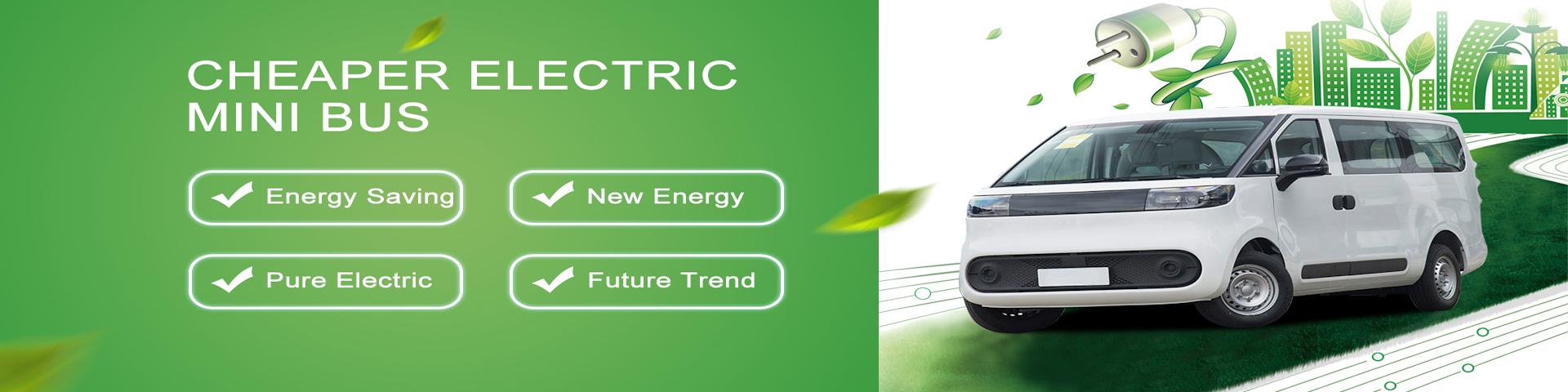
Электрический открытый транспорт — это не просто тренд, а настоящая революция, которая меняет наше представление о мобильности, экологии и городской жизни. С каждым годом мы видим, как технологии продвигаются вперед, делая транспорт более доступным, эффективным и экологически чистым. В этой статье мы подробно рассмотрим, почему электрический открытый транспорт — это будущее, которое уже наступило, и как он трансформирует мир вокруг нас.
Почему электрический транспорт стал таким популярным?
Электрический транспорт, включая электромобили, электроскутеры, электрические автобусы и велосипеды, набирает популярность благодаря своим многочисленным преимуществам. Во-первых, он значительно снижает выбросы углекислого газа и других вредных веществ, что делает его ключевым элементом в борьбе с изменением климата. Согласно исследованиям, переход на электрический транспорт может сократить выбросы CO2 на 50% по сравнению с традиционными автомобилями с двигателем внутреннего сгорания. Это особенно важно в условиях растущей урбанизации, когда города сталкиваются с проблемами загрязнения воздуха и пробок.
Во-вторых, электрический транспорт предлагает экономическую выгоду. Хотя первоначальная стоимость покупки может быть выше, эксплуатационные расходы ниже из-за дешевой электроэнергии и меньшего количества движущихся частей, требующих обслуживания. Например, электромобили имеют меньше механических компонентов, чем обычные автомобили, что снижает частоту ремонтов и увеличивает срок службы. Кроме того, правительства многих стран предоставляют субсидии и налоговые льготы для стимулирования перехода на электрический транспорт, делая его более доступным для широких масс.
В-третьих, инновации в батареях и зарядной инфраструктуре делают электрический транспорт более практичным. Современные литий-ионные батареи обеспечивают больший запас хода и быструю зарядку, а сети зарядных станций расширяются по всему миру. Это устраняет один из основных барьеров — "беспокойство о запасе хода" — и позволяет людям использовать электрический транспорт для ежедневных поездок и дальних путешествий.
Типы электрического открытого транспорта
Электрический открытый транспорт включает в себя широкий спектр vehicles, каждый из которых играет свою роль в создании устойчивой транспортной системы. Давайте рассмотрим основные категории.
Электромобили
Электромобили, или EVs, являются, пожалуй, самым известным представителем электрического транспорта. Они используют электрические двигатели вместо двигателей внутреннего сгорания и питаются от перезаряжаемых батарей. Ведущие производители, такие как Tesla, Nissan и BMW, предлагают модели с запасом хода более 500 километров, что делает их конкурентоспособными с традиционными автомобилями. Электромобили не только экологичны, но и обеспечивают плавную и тихую езду, что улучшает комфорт вождения.
Инновации в этой области не стоят на месте. Например, разработка твердотельных батарей promises еще больший запас хода и безопасность. Кроме того, интеграция с возобновляемыми источниками энергии, такими как солнечные панели, позволяет заряжать электромобили с использованием чистой энергии, further reducing their carbon footprint.
Электрические автобусы
Электрические автобусы становятся все более common в общественном транспорте. Они идеально подходят для городских маршрутов, где частые остановки и старты позволяют рекуперативному торможению заряжать батареи. Cities like Shenzhen in China have fully electrified their bus fleets, demonstrating the viability of this technology. Electric buses reduce noise pollution and operating costs, while providing a comfortable ride for passengers.
The adoption of electric buses is supported by government initiatives and partnerships with manufacturers. For instance, many European cities are investing in electric bus networks to meet climate goals. The use of smart charging systems ensures that buses can be charged overnight or during off-peak hours, optimizing energy use.
Электроскутеры и велосипеды
Электроскутеры и электрические велосипеды offer a micromobility solution that is perfect for short trips and last-mile connectivity. They are lightweight, affordable, and easy to use, making them popular in urban areas. Companies like Lime and Bird have pioneered共享 models, where users can rent e-scooters via apps, reducing the need for private car ownership.
These vehicles help decongest cities and promote a healthier lifestyle. However, challenges such as safety and regulation need to be addressed. Many cities are implementing dedicated lanes and parking zones to integrate e-scooters and e-bikes into the transport ecosystem seamlessly.
Другие формы электрического транспорта
Beyond these, there are electric trucks, trains, and even electric aircraft in development. Electric trucks are gaining traction in logistics, with companies like Tesla and Rivian leading the way. Electric trains have been around for decades, but new innovations make them more efficient. The emergence of electric vertical takeoff and landing (eVTOL) vehicles promises to revolutionize urban air mobility in the future.
Экологические преимущества
Одним из самых значительных преимуществ электрического транспорта является его положительное воздействие на окружающую среду. Транспортный сектор является major contributor to greenhouse gas emissions, accounting for about 24% of global CO2 emissions. By switching to electric vehicles, we can drastically reduce this impact.
Electric vehicles produce zero tailpipe emissions, which means no nitrogen oxides (NOx), particulate matter, or other pollutants that harm air quality and public health. Studies show that widespread adoption of EVs could prevent millions of premature deaths annually by improving air quality in cities.
Moreover, when charged with renewable energy, electric vehicles have a near-zero carbon footprint over their lifecycle. The production of batteries does have an environmental cost, but advancements in recycling and sustainable materials are mitigating this. For example, the use of recycled lithium and cobalt in batteries is becoming more common, reducing the need for mining.
Electric transport also contributes to noise reduction. Traditional vehicles with internal combustion engines are noisy, especially in urban areas. Electric vehicles operate quietly, creating a more peaceful environment. This is particularly beneficial for night-time operations and residential areas.
Экономические аспекты
Экономика электрического транспорта multifaceted. Initially, the higher upfront cost of electric vehicles can be a barrier, but this is offset by lower operating costs. Electricity is cheaper than gasoline or diesel, and maintenance costs are lower due to fewer moving parts. For instance, electric motors have fewer components than internal combustion engines, reducing the likelihood of breakdowns.
Governments around the world are offering incentives to promote electric transport. These include tax credits, rebates, and grants for purchases, as well as investments in charging infrastructure. In some countries, there are also penalties for high-emission vehicles, such as congestion charges in cities like London.
The growth of the electric transport industry is creating jobs in manufacturing, software development, and maintenance. For example, the production of batteries and charging stations requires skilled labor, boosting local economies. Additionally, the shift to electric transport reduces dependence on imported oil, enhancing energy security for many nations.
From a consumer perspective, electric vehicles can save money in the long run. The total cost of ownership, including fuel, maintenance, and insurance, is often lower for EVs compared to conventional vehicles. As battery prices continue to fall, the affordability of electric transport will improve further.
Технологические инновации
Технологии являются движущей силой behind the electric transport revolution. Key areas of innovation include battery technology, charging infrastructure, and autonomous driving.
Battery technology has seen remarkable progress. Lithium-ion batteries have become more energy-dense, allowing for longer ranges and faster charging. Research into solid-state batteries promises even greater improvements, with potential for higher safety and energy density. Companies like QuantumScape and Samsung are at the forefront of this research.
Charging infrastructure is expanding rapidly. Fast-charging stations can now recharge an electric vehicle to 80% capacity in under 30 minutes. Wireless charging technology is also being developed, which could allow for charging while driving on equipped roads. This would eliminate the need for stopping to charge, making electric transport even more convenient.
Autonomous driving is another exciting frontier. Electric vehicles are often designed with advanced sensors and software that enable self-driving capabilities. This not only improves safety but also optimizes energy use through efficient routing and driving patterns. Companies like Waymo and Tesla are testing autonomous electric vehicles that could redefine mobility.
Integration with smart grids is also important. Electric vehicles can act as mobile energy storage units, feeding electricity back into the grid during peak demand times. This vehicle-to-grid (V2G) technology helps balance the grid and support renewable energy integration.
Социальные и культурные изменения
Электрический транспорт не только меняет то, как мы перемещаемся, но и влияет на наше общество и культуру. Он promotes a shift towards共享 economy and sustainable living.
In cities, the rise of electric共享 mobility, such as e-scooters and bike-sharing, encourages people to use multiple modes of transport. This reduces reliance on private cars and alleviates traffic congestion. It also fosters a sense of community and environmental awareness.
Culturally, electric vehicles are becoming status symbols associated with innovation and responsibility. Early adopters are often seen as pioneers, and as the technology becomes mainstream, it normalizes eco-friendly behavior. Educational campaigns and media coverage help raise awareness about the benefits of electric transport.
However, there are challenges related to equity. The cost of electric vehicles and access to charging infrastructure can be uneven, potentially excluding low-income communities. Efforts are needed to ensure that the benefits of electric transport are distributed fairly, such as through subsidies and public charging programs.
Вызовы и будущие перспективы
Несмотря на многочисленные преимущества, электрический транспорт сталкивается с challenges that must be overcome for widespread adoption.
One major challenge is the limited availability of raw materials for batteries, such as lithium and cobalt. Mining these materials can have environmental and social impacts, including habitat destruction and human rights issues. Developing recycling technologies and alternative materials is crucial to address this.
Another challenge is the energy grid's capacity. A massive shift to electric transport will increase electricity demand, requiring upgrades to grid infrastructure. This must be done in a way that prioritizes renewable energy to avoid shifting emissions from tailpipes to power plants.
Consumer acceptance is also a factor. Range anxiety, charging time, and initial cost are concerns for many people. Education and demonstration of reliability can help overcome these barriers.
Looking to the future, the prospects for electric transport are bright. By 2030, it is estimated that electric vehicles could account for over 30% of new car sales globally. Innovations like autonomous electric taxis and flying cars could become reality, further transforming mobility.
Governments and industries are collaborating on policies and standards to support this transition. For example, the European Union has set ambitious targets for reducing emissions from transport, driving investment in electric alternatives.
In conclusion, electric open transport is not just a trend; it is the future that is already here. With continued innovation and collective effort, we can create a sustainable, efficient, and inclusive transport system for generations to come.
This article has explored the various aspects of electric transport, from its environmental benefits to technological advancements. As we move forward, it is essential to embrace these changes and work towards a cleaner, smarter mobility landscape.