

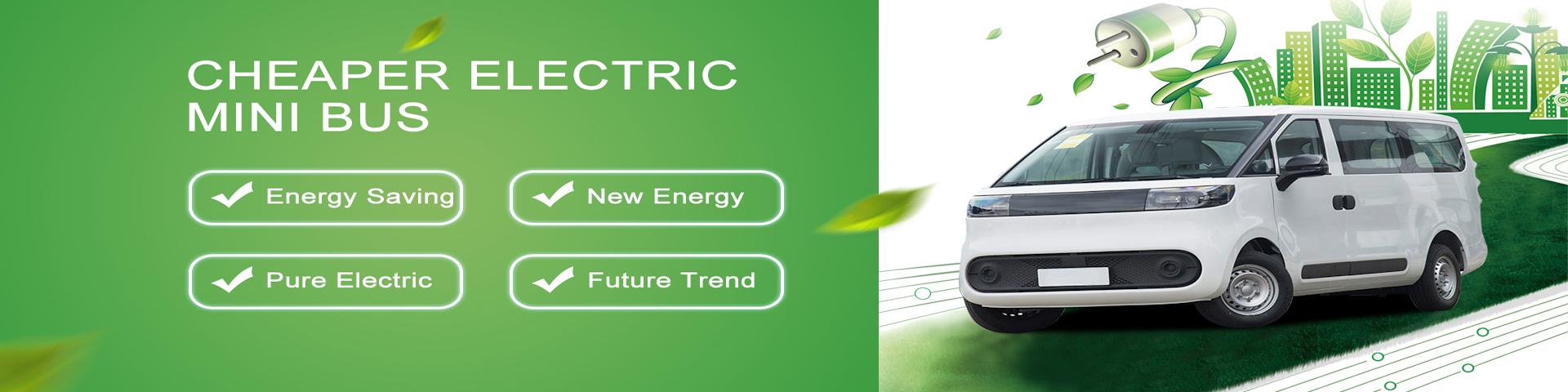
В современном мире грузоперевозки играют ключевую роль в глобальной экономике, обеспечивая движение товаров от производителей к потребителям. Однако традиционные методы, основанные на ископаемом топливе, сталкиваются с растущими проблемами: высокие затраты на топливо, негативное воздействие на окружающую среду и ограниченная эффективность. В ответ на эти вызовы появляется новая эра — электрический закрытый транспорт, который обещает кардинально изменить отрасль. Эта статья подробно исследует, как электрификация и инновации в закрытом транспорте приводят к революции в грузоперевозках, обсуждая преимущества, вызовы и будущие перспективы.
Введение в электрический закрытый транспорт
Электрический закрытый транспорт относится к транспортным средствам, которые используют электрическую энергию для движения и предназначены для перевозки грузов в закрытых или защищенных условиях, таких как крытые трейлеры, контейнеры или специализированные модули. Это включает в себя электрические грузовики, фургоны, поезда и даже дроны, оснащенные батареями и электрическими двигателями. Закрытый аспект подчеркивает способность поддерживать оптимальные условия для грузов, таких как температура, влажность и безопасность, что особенно важно для perishable товаров, как продукты питания или лекарства.
Исторически, грузоперевозки relied heavily на дизельных и бензиновых двигателях, которые, хотя и эффективны, contribute significantly к загрязнению воздуха и изменению климата. С развитием технологий, электрический транспорт emerged как sustainable альтернатива. Первые эксперименты с electric vehicles date back к началу 20 века, но only в последние decade, с advances в battery technology и renewable energy, electric transport стал viable для массового adoption. Закрытый транспорт, в свою очередь, evolved из простых крытых вагонов в sophisticated systems с climate control и IoT integration, making it ideal для sensitive грузов.
Революция в грузоперевозках driven электрическим закрытым транспортом заключается в его ability to combine environmental sustainability с operational efficiency. By eliminating emissions at the point of use, these vehicles reduce carbon footprint, while closed designs enhance cargo protection and reduce spoilage. This dual benefit is transforming logistics, making it greener, cheaper, and more reliable. As we delve deeper, we will explore the technical aspects, economic impacts, and real-world applications of this transformative technology.
Экологические преимущества электрического закрытого транспорта
Одним из наиболее compelling reasons для adoption электрического закрытого транспорта является его positive impact на окружающую среду. Traditional грузоперевозки являются major source of greenhouse gas emissions, accounting for approximately 7% of global CO2 emissions according to the International Energy Agency. Electric vehicles, powered by electricity from renewable sources, can drastically reduce this footprint. For instance, a study by the European Environment Agency showed that electric trucks emit up to 50% less CO2 over their lifecycle compared to diesel counterparts, even when accounting for battery production.
Closed transport adds another layer of environmental benefit by minimizing energy loss. In open or poorly insulated vehicles, temperature fluctuations can lead to increased energy consumption for heating or cooling. Electric closed transport, with its advanced insulation and efficient climate control systems, requires less energy to maintain optimal conditions. This not only saves electricity but also reduces the overall environmental impact. Additionally, the use of electric power eliminates local air pollutants like nitrogen oxides and particulate matter, improving air quality in urban areas where freight traffic is concentrated.
Moreover, the integration of renewable energy sources, such as solar or wind power, into the charging infrastructure further enhances sustainability. Companies are increasingly investing in green logistics, with initiatives like carbon-neutral delivery promises. For example, major logistics firms like DHL and Amazon are deploying electric closed vans for last-mile deliveries, significantly cutting emissions. The environmental advantages are clear: reduced carbon emissions, lower pollution, and a step towards a circular economy where waste is minimized through efficient transport and packaging designs.
Экономическая эффективность и cost savings
Transitioning to electric closed transport is not just an environmental decision; it also makes economic sense. While the initial investment in electric vehicles (EVs) can be higher than traditional options, due to battery costs, the total cost of ownership (TCO) often proves lower over time. Electricity is generally cheaper than diesel or gasoline, and maintenance costs for EVs are reduced because they have fewer moving parts—no oil changes, fewer brake replacements (thanks to regenerative braking), and less engine wear.
Closed transport enhances economic efficiency by reducing cargo loss. For perishable goods, spoilage can account for up to 20% of costs in some supply chains. Electric closed vehicles with precise temperature control can cut this loss significantly. For instance, in the food industry, maintaining a consistent cold chain ensures that products like dairy or meat arrive fresh, reducing waste and increasing profitability. Additionally, the durability of closed designs protects goods from damage during transit, lowering insurance claims and replacement costs.
Governments and organizations are offering incentives to accelerate adoption, such as tax credits, subsidies, and grants for electric vehicle purchases. In regions like the European Union, strict emissions regulations are pushing companies towards greener alternatives to avoid penalties. The economic benefits extend beyond direct savings to include brand enhancement—companies that adopt sustainable practices often attract environmentally conscious consumers and investors, leading to increased market share and long-term growth. As battery technology improves and costs continue to decline, the economic argument for electric closed transport becomes even stronger.
Технологические инновации и future trends
The rapid advancement of technology is at the heart of the electric closed transport revolution. Key innovations include improvements in battery energy density, which allows for longer ranges and heavier payloads. Lithium-ion batteries, now mainstream, are being supplemented by solid-state batteries that promise even higher efficiency and safety. Charging infrastructure is also evolving, with fast-charging stations reducing downtime for freight vehicles. For closed transport, smart technologies like IoT sensors enable real-time monitoring of temperature, humidity, and location, ensuring cargo integrity throughout the journey.
Autonomous driving is another frontier. Self-driving electric trucks can operate 24/7 without breaks, increasing efficiency and reducing labor costs. Companies like Tesla and Waymo are testing autonomous electric trucks that could revolutionize long-haul logistics. In closed transport, automation can optimize loading and unloading processes, further cutting time and costs. Additionally, the use of artificial intelligence (AI) for route optimization helps minimize energy consumption and avoid traffic, enhancing overall efficiency.
Future trends point towards even greater integration. Hydrogen fuel cells are emerging as a complement to batteries, offering quick refueling and long range for heavy-duty applications. Modular closed transport systems allow for flexible configurations based on cargo type, from refrigerated units for food to secure compartments for electronics. The rise of urban air mobility, with electric drones for small parcel delivery, is also part of this revolution, though it focuses more on open transport. Overall, the convergence of electrification, digitalization, and automation is set to make грузоперевозки smarter, cleaner, and more efficient in the decades to come.
Реальные примеры и case studies
To illustrate the impact of electric closed transport, let's look at some real-world examples. In Europe, the company Einride has deployed autonomous electric trucks for logistics, reducing emissions by up to 90% compared to diesel trucks. Their closed designs ensure cargo safety, and the electric powertrain lowers operating costs. Another example is Walmart, which has committed to converting its fleet to electric vehicles by 2040, including closed trailers for grocery deliveries. Early trials showed a significant reduction in fuel costs and maintenance issues.
In the pharmaceutical industry, where temperature-sensitive drugs require strict control, companies like Pfizer use electric closed vans with advanced cooling systems. This has minimized spoilage and ensured compliance with regulatory standards. In emerging markets, such as India, electric rickshaws with enclosed cargo spaces are becoming popular for last-mile delivery, offering an affordable and eco-friendly solution. These case studies demonstrate that electric closed transport is not a futuristic concept but a practical solution already delivering results across various sectors.
Challenges remain, such as the need for widespread charging infrastructure and higher upfront costs, but the successes highlight the potential. Collaborations between governments, manufacturers, and logistics companies are crucial for scaling up. For instance, the European Union's Green Deal aims to boost electric mobility through funding and policies. As more adoption occurs, the lessons learned from these pioneers will guide broader implementation, making electric closed transport the norm rather than the exception.
Заключение: Будущее грузоперевозок
Электрический закрытый транспорт represents a paradigm shift in how we think about freight logistics. By combining the environmental benefits of electrification with the practical advantages of closed designs, it addresses critical issues like emissions, cost, and cargo safety. The revolution is already underway, driven by technological innovations, economic incentives, and growing environmental awareness. As battery costs fall and infrastructure expands, adoption will accelerate, transforming supply chains worldwide.
Looking ahead, the future of грузоперевозки will be characterized by smarter, more sustainable practices. Electric closed transport will play a central role, possibly integrated with other modes like rail and sea for multimodal solutions. The ultimate goal is a zero-emission logistics network that is efficient, reliable, and resilient. While challenges such as initial investment and regulatory hurdles persist, the long-term benefits far outweigh the costs. By embracing this revolution, businesses and societies can build a greener economy and ensure a better future for generations to come.
In summary, the electric closed transport revolution is not just about changing vehicles; it's about reimagining entire supply chains. From reduced carbon footprints to enhanced economic viability, the impacts are profound. As we continue to innovate and adopt these technologies, the vision of a sustainable logistics industry becomes increasingly attainable. Let's drive forward into this new era with confidence and commitment.