

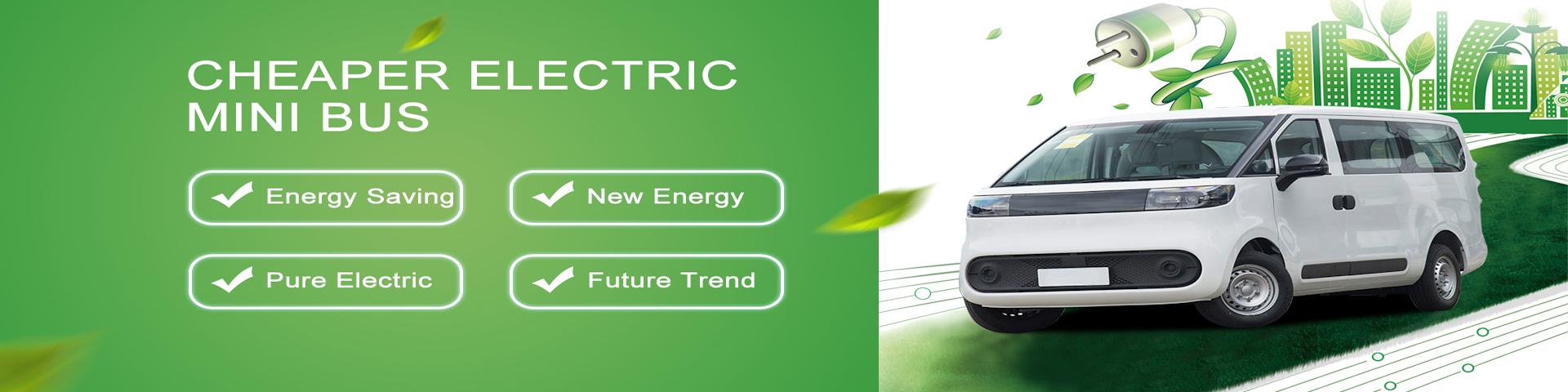
В современном мире, где экологические проблемы и урбанизация становятся все более актуальными, городской транспорт переживает настоящую революцию. Электрический транспорт, который раньше казался футуристической мечтой, уже сегодня становится реальностью, трансформируя наши города и образ жизни. От электромобилей до электрических автобусов и велосипедов — будущее мобильности наступило, и оно питается чистой энергией.
Города по всему миру сталкиваются с вызовами, такими как загрязнение воздуха, пробки и нехватка ресурсов. Традиционные транспортные средства на ископаемом топливе вносят значительный вклад в выбросы CO2 и ухудшение качества жизни. Однако, с развитием технологий, электрический транспорт предлагает устойчивое решение. Он не только сокращает выбросы, но и повышает эффективность, снижает шум и интегрируется с умными городскими системами.
В этой статье мы глубоко погрузимся в мир электрического городского транспорта. Мы рассмотрим ключевые технологии, такие как литий-ионные аккумуляторы, зарядная инфраструктура и автономное вождение. Обсудим преимущества для экологии и экономики, включая снижение затрат на топливо и обслуживание. Также мы посмотрим на реальные примеры из городов, которые уже внедрили эти инновации, от Осло до Шанхая, и как это влияет на повседневную жизнь горожан.
Будущее транспорта — это не просто мечта; оно разворачивается прямо сейчас. Присоединяйтесь к нам в этом путешествии, чтобы узнать, как электричество меняет городскую мобильность и что ждет нас в ближайшие годы. Откройте для себя, почему переход на электрический транспорт — это не только необходимость, но и огромная возможность для создания более зеленых, умных и удобных городов.
История развития электрического транспорта
Электрический транспорт имеет богатую историю, которая уходит корнями в XIX век. Первые электромобили появились еще в 1830-х годах, но широкое распространение они получили только в начале XX века, благодаря таким инноваторам, как Томас Эдисон. Однако, с ростом популярности бензиновых автомобилей, электрический транспорт отошел на второй план. Лишь в конце XX века, с осознанием экологических проблем и advances в battery технологиях, электрический транспорт начал возрождаться.
Ключевым моментом стал 1990-е годы, когда компании like General Motors представили EV1, один из первых массовых электромобилей. Хотя проект был eventually свернут, он заложил основу для будущего. В 2000-х годах Tesla Motors, основанная Илоном Маском, revolutionized индустрию с своими high-performance электромобилями, такими как Tesla Roadster и Model S. Это вызвало волну интереса и инвестиций по всему миру.
Параллельно развивался и общественный транспорт. Электрические автобусы и трамваи стали появляться в городах Европы и Азии, driven by government incentives and environmental regulations. Например, в Китае, который является лидером по производству электромобилей, electric buses стали commonplace в таких мегаполисах, как Шэньчжэнь.
Сегодня, electric транспорт не ограничивается автомобилями; он включает scooters, bicycles, and even electric airplanes in development. Advances in battery technology, such as solid-state batteries, promise even greater range and efficiency. The integration with renewable energy sources, like solar and wind, makes electric transport a cornerstone of sustainable urban planning.
This historical journey shows that electric transport is not a new idea, but rather a resurgence of an old one, empowered by modern technology. As we move forward, it continues to evolve, shaping the cities of tomorrow.
Технологические инновации в электрическом транспорте
Сердцем electric транспорта являются battery технологии. Литий-ионные аккумуляторы, которые dominate the market сегодня, offer high energy density and relatively long life cycles. However, researchers are continuously working on improvements. Solid-state batteries, for example, promise to be safer, more efficient, and with higher energy density, potentially doubling the range of electric vehicles.
Charging infrastructure is another critical area. Fast-charging stations are becoming more widespread, reducing charging times to under 30 minutes for many vehicles. Wireless charging technology is also emerging, allowing vehicles to charge simply by parking over a charging pad. This could revolutionize how we think about refueling, making it as convenient as parking a car.
Autonomous driving technology is closely tied to electric transport. Electric vehicles often serve as platforms for self-driving systems due to their electronic control systems. Companies like Waymo and Tesla are integrating AI and sensors to enable full autonomy, which could reduce accidents and improve traffic flow in cities.
Moreover, vehicle-to-grid (V2G) technology allows electric vehicles to not only consume energy but also feed it back into the grid during peak demand. This turns EVs into mobile energy storage units, enhancing grid stability and promoting the use of renewables.
These innovations are not just theoretical; they are being deployed today. For instance, in Norway, over half of new car sales are electric, supported by a robust charging network. In the future, we can expect even more advancements, such as hyper-efficient motors and integration with smart city IoT systems.
Экологические и экономические преимущества
Одним из самых significant benefits of electric transport is its positive environmental impact. By replacing internal combustion engines, electric vehicles produce zero tailpipe emissions, reducing air pollution in urban areas. This leads to better public health outcomes, as lower levels of pollutants like nitrogen oxides and particulate matter decrease respiratory diseases.
From an economic perspective, electric vehicles offer lower operating costs. Electricity is generally cheaper than gasoline or diesel, and maintenance costs are reduced due to fewer moving parts—no oil changes, spark plugs, or exhaust systems to worry about. Over the lifetime of a vehicle, this can save owners thousands of dollars.
Governments around the world are supporting the transition with subsidies, tax incentives, and investments in infrastructure. For example, the European Union's Green Deal aims to make Europe climate-neutral by 2050, with electric transport playing a key role. Similarly, China's policies have made it the largest market for electric vehicles.
However, challenges remain, such as the environmental impact of battery production and disposal. Recycling programs and advances in battery technology are addressing these issues, making electric transport increasingly sustainable.
Overall, the shift to electric transport not only helps combat climate change but also stimulates economic growth through new industries and job creation in manufacturing, software development, and energy management.
Примеры внедрения в городах мира
Многие города уже embraced electric transport with impressive results. In Oslo, Norway, electric cars account for over 60% of new sales, thanks to generous incentives like free parking, toll exemptions, and access to bus lanes. The city has also deployed electric buses and charging stations throughout, making it a model for sustainable urban mobility.
In Shenzhen, China, the entire bus fleet is electric, consisting of over 16,000 vehicles. This has significantly reduced air pollution and operating costs. The city's investment in charging infrastructure ensures that buses can run continuously without range anxiety.
In the United States, cities like Los Angeles and New York are expanding their electric public transport options. LA aims to have a fully electric bus fleet by 2030, while NYC has introduced electric ferries and bikeshare programs.
Even in developing regions, electric transport is gaining traction. For instance, in India, electric rickshaws are becoming popular in cities like Delhi, providing affordable and clean transportation for millions.
These examples demonstrate that electric transport is scalable and adaptable to different urban contexts. They show how policy, technology, and public acceptance can come together to create greener cities.
Будущие тенденции и выводы
Looking ahead, the future of urban electric transport is bright. We can expect further improvements in battery technology, with solid-state and lithium-sulfur batteries offering even better performance. Charging times will continue to decrease, and wireless charging may become standard.
Integration with smart cities will enhance efficiency. For example, traffic management systems could optimize routes for electric vehicles, reducing congestion and energy use. Autonomous electric taxis could provide on-demand mobility, reducing the need for private car ownership.
Renewable energy integration will make electric transport truly carbon-neutral. Solar-powered charging stations and vehicle-to-grid systems will ensure that the energy used is clean and sustainable.
In conclusion, electric urban transport is not a distant future—it is here and now. It offers a path to cleaner, smarter, and more efficient cities. By embracing these technologies, we can build a better world for generations to come. The revolution has begun, and it is electric.
This article has explored the various aspects of electric transport, from its history to its future potential. As technology advances and adoption grows, we can look forward to cities that are not only more mobile but also more livable. Thank you for joining us on this journey into the future of transportation.